How to Catch Walleye: The Tactics That Work in Every Season
Walleye are the most prized table-fare freshwater species in the northern United States and Canada — the mild, firm, white flesh that has earned the walleye its reputation as the best-tasting freshwater fish in North America drives a fishing culture across the Great Lakes region, Minnesota, Wisconsin, Michigan, and the northern plains that rivals or exceeds bass fishing culture in those areas. Understanding walleye behavior and the presentations that consistently produce them requires somewhat more technical knowledge than panfish or bass fishing, but the reward — both the quality of the sport and the quality of the table fare — justifies the investment in learning.
Light and Walleye Behavior
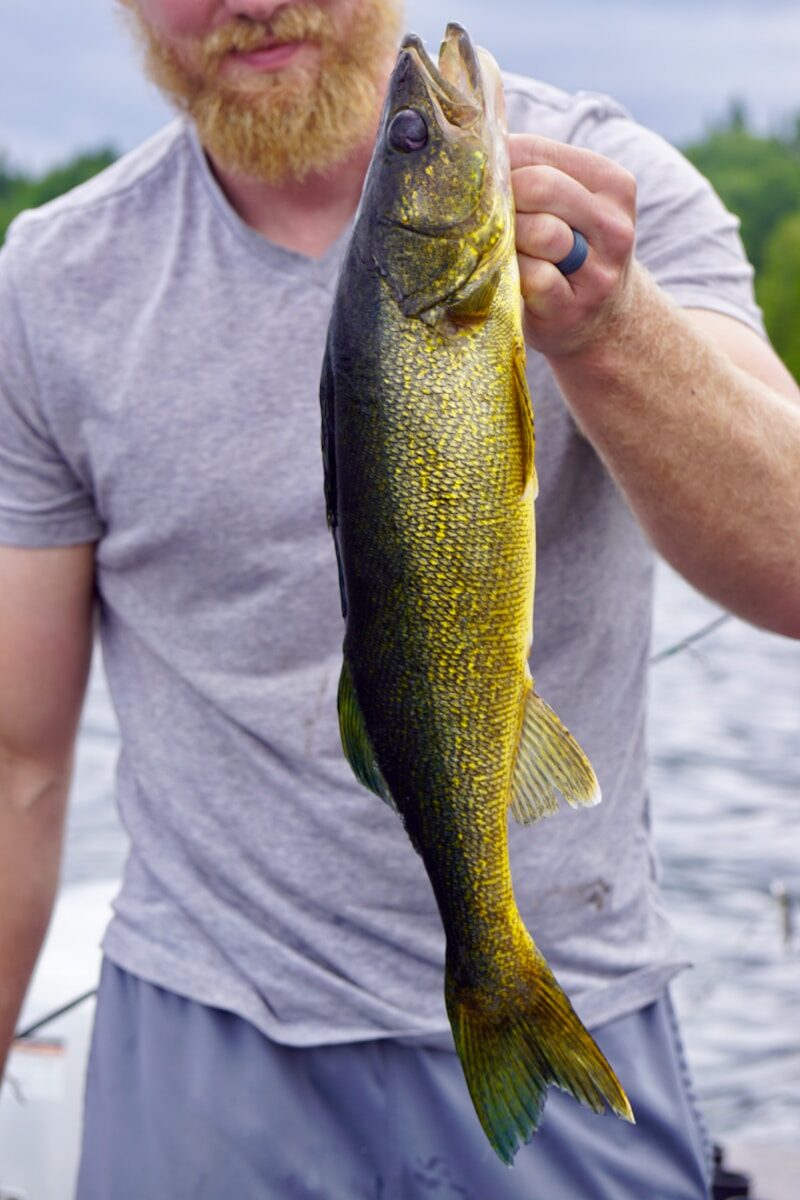
Walleye have a physical structure — a reflective tapetum lucidum layer behind the retina — that gives them a significant visual advantage over prey species in low-light conditions. This biological fact drives their behavioral ecology: walleye are most actively feeding during low-light periods — dawn, dusk, overcast days, and night. Fishing pressure during bright midday conditions typically produces far fewer walleye than the same time and effort applied during dawn or dusk feeding periods. The glowing eyes that give walleye their name are a direct indicator of the anatomical feature that makes them such effective low-light predators.
The Most Effective Walleye Presentations
Live bait rigs — a single hook trailing behind a spinner blade on an adjustable snell rig, drifted slowly over walleye-holding structure with a live nightcrawler, leech, or minnow — are the most consistently productive walleye presentations across all seasons and conditions. Jig and minnow combinations in 1/8 to 1/2 ounce weights worked along the bottom over rocky structure are effective at specific times of year, particularly in spring and fall. Trolling with stick baits and deep-diving crankbaits at consistent speeds covers water efficiently for locating fish before transitioning to targeted presentations once active fish are found.