How to Read a Lake or Reservoir and Find Fish All Year
The single greatest skill improvement available to a beginning freshwater angler is not a new lure or a better rod — it is learning to read water. Understanding where fish are likely to be at different times of year, in different weather conditions, and at different times of day allows you to target productive water rather than fishing random locations with equal hope and equal frustration. Fish are not randomly distributed in any body of water; they are responding to temperature, oxygen, food availability, and cover in predictable ways that, once understood, allow you to locate them systematically rather than by chance.
Seasonal Positioning
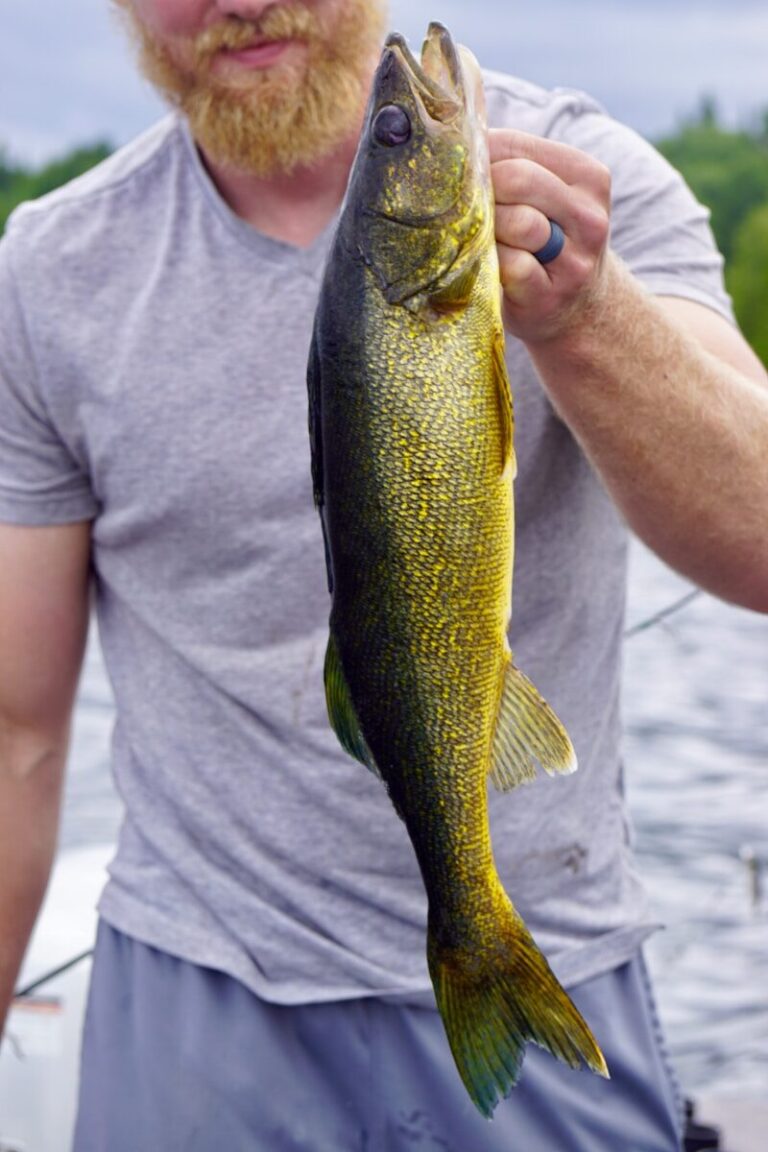
The annual cycle of fish positioning in a lake follows temperature. In early spring before water temperature reaches optimal range, fish move shallow to feed in the sun-warmed water and to pursue spawning activity. In summer, fish stratify in the thermocline — the temperature boundary layer between warm surface water and cool deep water — where oxygen and temperature are both optimal. In fall, as surface water cools to match the thermocline temperature, the stratification breaks down and fish spread throughout the water column and return to shallow feeding areas. In winter, cold-water species like bass enter a semi-dormant state in the deepest water while cold-tolerant species like perch and walleye remain active.
Using a Depth Finder
A basic fish finder or depth finder is one of the highest-return tackle investments available to boat anglers — it shows water depth, bottom structure, and in many units the location of fish marks. Even the most basic single-frequency transducer unit shows the bottom contour as you move across the lake, allowing you to identify the drops, humps, and channel edges where fish concentrate seasonally. Understanding how to read the display — distinguishing bottom marks from suspended fish marks, identifying vegetation density, reading the bottom hardness indicator — takes an afternoon of practice and pays dividends on every subsequent fishing trip.