Elk Hunting for Beginners: How to Start Pursuing America’s Most Challenging Big Game
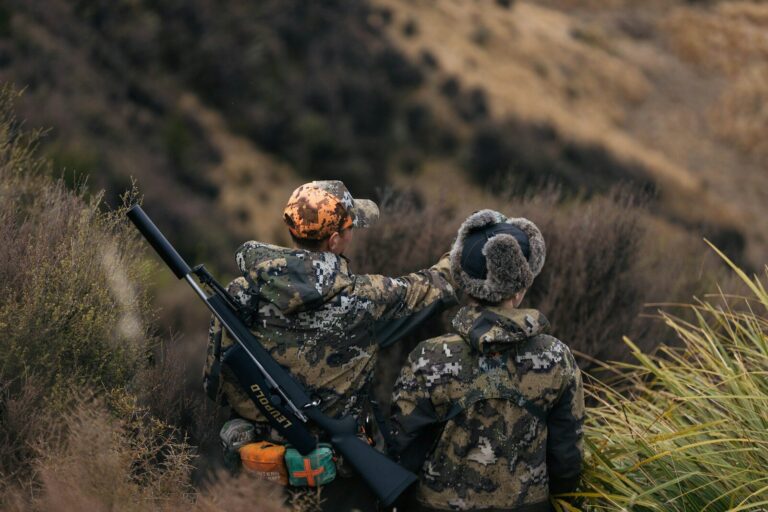
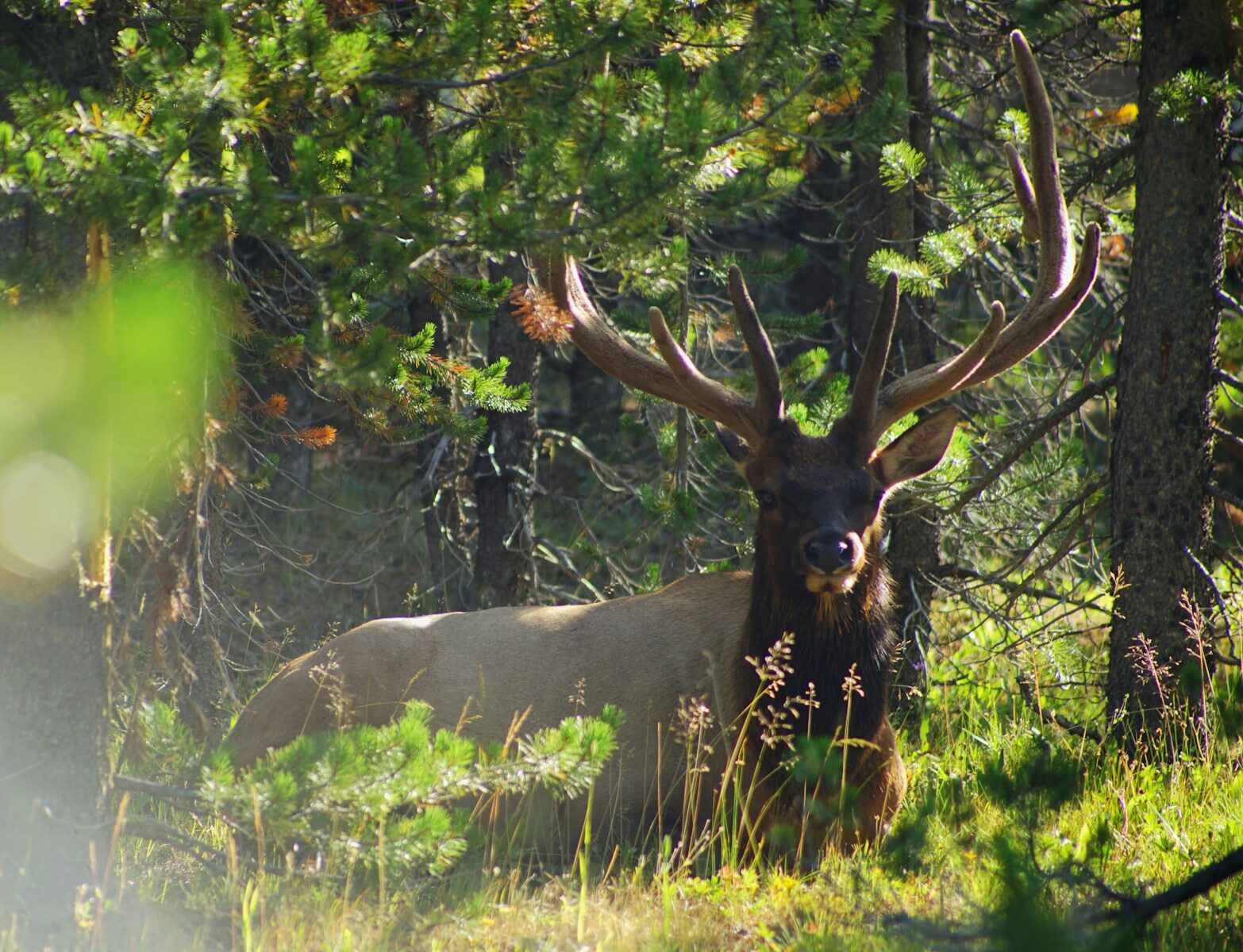
Elk hunting occupies the pinnacle of North American big game hunting in terms of physical demand, logistical complexity, and the quality of the experience. An elk bull in the Rocky Mountain rut, bugling at dawn in a fog-filled mountain basin, is one of the most extraordinary sights and sounds available in American wildlife. The physical effort of finding and closing on elk in steep, high-altitude terrain — and then packing the harvest out on your back — produces a hunting experience that is genuinely transformative for those who attempt it.
Tag Applications: Start Early
Elk hunting in the western states requires a license tag, and many of the best elk units are available only through limited draw lotteries that can take years to draw. Start applying for elk tags well before you plan to hunt — building preference points in your target state while you prepare physically and logistically. Over-the-counter elk licenses are available in several states including Colorado, Idaho, and Montana for certain zones and seasons, making them accessible without waiting years for a draw tag. Research your target state’s regulations and application system through that state’s wildlife agency website.
Physical Preparation
Elk country is high, steep, and demanding. Elk hunters routinely cover 10 to 15 miles per day with a 40 to 50-pound pack in terrain with 2,000 to 4,000 feet of daily elevation change. Beginning elk hunters who haven’t specifically trained for this physical demand are at serious risk of compromising both their safety and their hunting success. Begin a specific uphill conditioning program at least six months before the hunt — weighted pack hikes on the steepest terrain available, increasing in duration and load weekly. Altitude acclimatization is equally important if you’re hunting at elevations significantly above your home elevation.