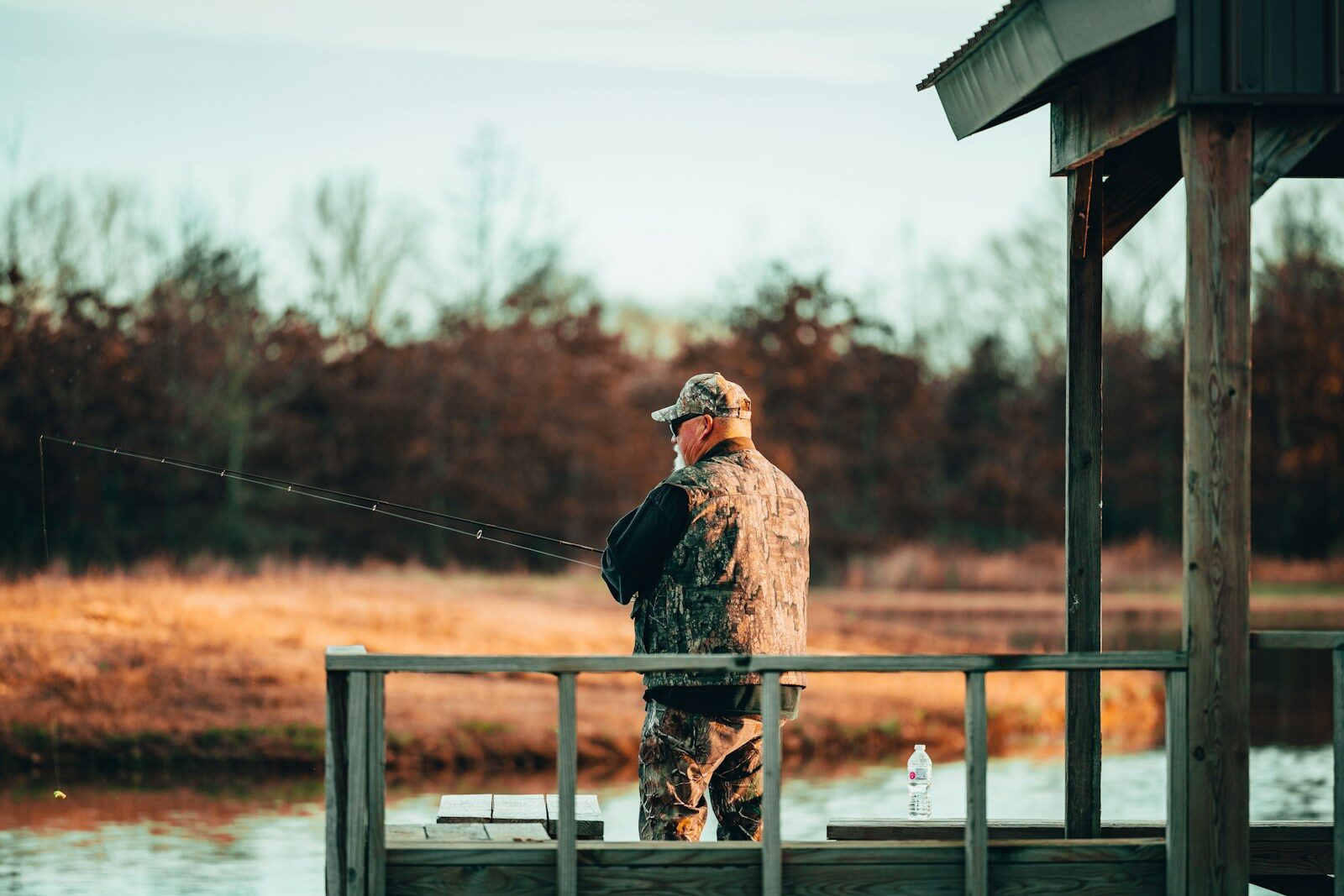
Why Hunters and Anglers Are America’s Most Important Conservationists
The relationship between hunting and fishing and wildlife conservation in the United States is not incidental — it is structural, and it is the most effective conservation funding mechanism in American history. The two pieces of legislation that underpin this relationship — the Federal Aid in Wildlife Restoration Act of 1937 (Pittman-Robertson) and the Federal Aid in Sport Fish Restoration Act of 1950 (Dingell-Johnson) — have collectively funded over $25 billion in wildlife management, habitat acquisition and restoration, and public access programs since their passage. Understanding this relationship changes how both hunters and non-hunters think about the conservation value of hunting and fishing license revenue and excise taxes.
Pittman-Robertson: The Wildlife Restoration Act
The Pittman-Robertson Act created an 11 percent federal excise tax on the sale of sporting arms, ammunition, and archery equipment that is collected at the manufacturer level and distributed to state wildlife agencies for wildlife restoration and management programs. The Act is funded entirely by hunters, as a self-imposed tax they voted to accept through the legislative process. Since 1939, it has generated approximately $14 billion that has funded the restoration of white-tailed deer from near-extinction levels in the early 20th century to the current population of 25 to 30 million animals, the recovery of wild turkey populations from fewer than 500,000 birds in the 1950s to over 7 million today, and the acquisition and management of millions of acres of public hunting land.
Dingell-Johnson: The Sport Fish Restoration Act
Dingell-Johnson created the equivalent mechanism for fish restoration, applying excise taxes on fishing equipment and boat fuel to fund fisheries management and public access to fishing waters. It has generated approximately $12 billion since 1952 for stocking programs, habitat improvement, and the water access facilities — boat ramps, fishing piers, and public shore access — that anglers use on public waters. The fishing license system complements these funds, providing state-level revenue for the fisheries management programs that maintain the fish populations anglers pursue.