Bass Fishing for Beginners: How to Find and Catch Largemouth Bass
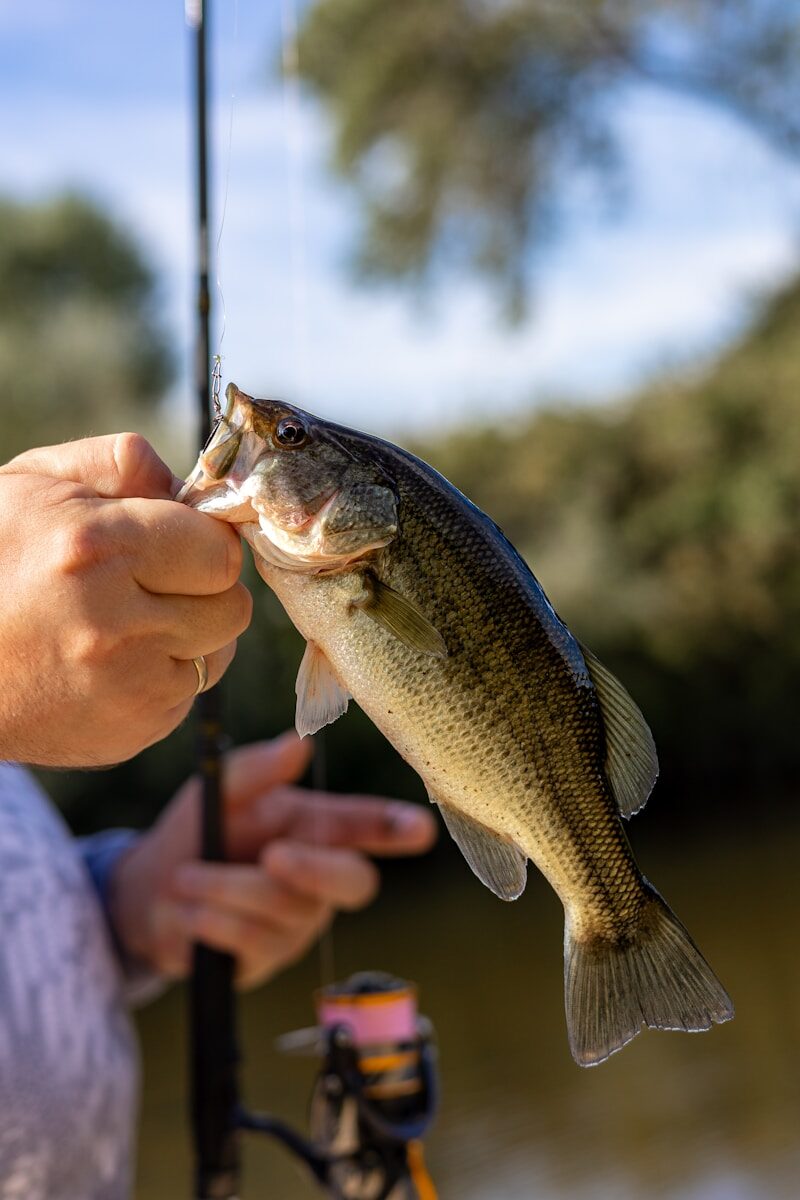
The largemouth bass is the most popular gamefish in the United States by the widest possible margin — more fishing licenses are sold specifically for bass fishing than any other freshwater species, bass fishing tournaments generate hundreds of millions of dollars annually in participant spending, and the largemouth bass occupies its position as America’s premier freshwater gamefish through a combination of factors that are genuinely unique: it fights hard relative to its size, it is found in virtually every warm-water body from Maine to Hawaii, it can be caught on a wide variety of artificial and natural presentations, and it grows large enough in many waters to produce genuinely trophy-class fish.
Where Bass Live: Reading the Water
Bass are structure-oriented fish — they position themselves near physical features that provide ambush positions for feeding and security for resting. The most productive bass fishing locations consistently share specific characteristics: proximity to structure (fallen timber, dock pilings, weed edges, rock piles, points extending into the water), water depth transitions (the line where shallow water drops off to deeper water is a prime feeding lane), and vegetation (submerged or emergent aquatic plants provide oxygen, cover for baitfish, and ambush positions for bass). A pond or lake with no visible structure often has significant structure below the surface — use a depth finder or simply probe likely-looking areas to identify underwater features.
The Most Productive Basic Presentations
Texas-rigged plastic worms and creature baits on a 3/0 to 5/0 offset worm hook with a 1/4 to 1/2 ounce bullet weight are among the most consistently productive bass presentations across all seasons and all water clarity conditions. The weedless Texas rig can be fished through vegetation and around structure that would hang a treble-hooked lure. Cast it near structure, let it sink to the bottom, and retrieve with a lift-and-fall action that mimics a fleeing or injured prey animal. Spinnerbaits and topwater poppers are effective during feeding periods at dawn and dusk. The best approach is mastering two to three presentations thoroughly rather than owning twenty different lures and using each one inconsistently.