Trout Fishing in Streams and Rivers: How to Read Water and Present Flies and Lures
Stream and river trout fishing combines reading moving water, understanding trout behavior, and presenting a lure or fly with accuracy and appropriate drift — a set of skills that takes a season or more to develop to competent levels and a lifetime to master. The technical demand is part of what makes it so compelling to the millions of American anglers who pursue trout in moving water. A morning spent on a productive trout stream, reading the current breaks, identifying the holding lies, and presenting a fly with a clean drift is a satisfying form of problem-solving that produces beauty alongside the occasional fish.
Where Trout Hold in Moving Water
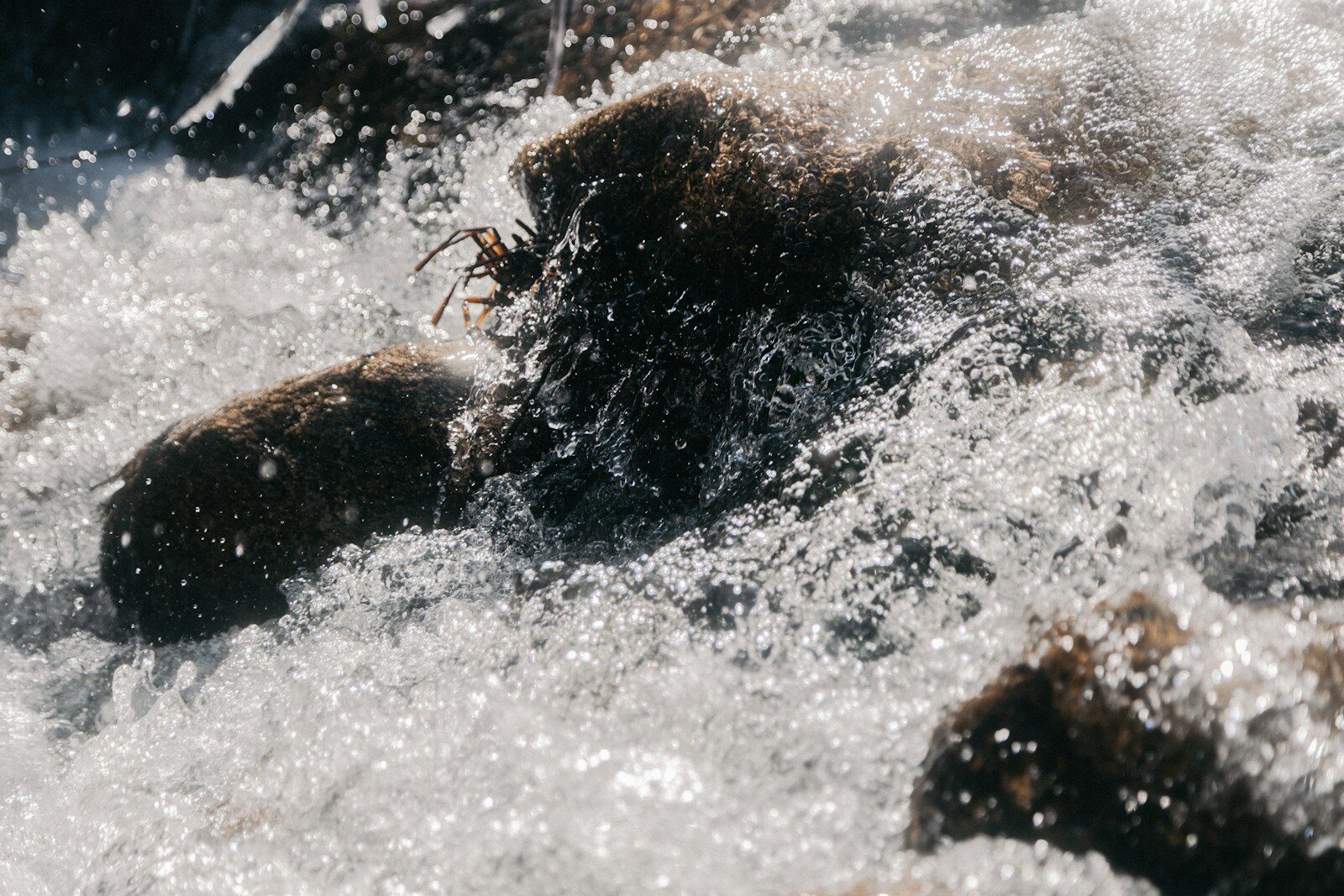
Trout in streams and rivers position themselves to maximize food intake while minimizing energy expenditure — they seek current breaks where food drifts past in the current seam but where the fish can hold with minimal effort. The most productive trout holding lies are: the current seam where fast water meets slow water, typically along the edge of a boulder or the inside of a bend; the head of a pool where water enters and concentrates food; the tail of a pool where the current slows before the next riffle; undercut banks where overhead cover provides security; and any submerged rock or wood that creates a low-velocity zone behind it. Learning to identify these features from the bank before entering the water is the core skill of reading trout streams.
Basic Lure and Fly Presentations
For spin fishing beginners, in-line spinners (Mepps, Blue Fox) and small spoons retrieved steadily across the current are consistently effective stocked trout presentations that require minimal technique refinement. For wild trout, matching the hatch — identifying what the trout are currently eating and presenting a matching fly or lure — produces better results than generic attractor patterns. The basic nymph rig — a strike indicator with a weighted nymph drifted naturally through the current — is the most consistently productive presentation for beginners learning fly fishing, catching more trout across more conditions than dry fly fishing while teaching current reading and drift control skills that transfer to all trout fishing methods.