Shot Placement for Deer: How to Make Clean, Ethical Kills Consistently
Ethical deer hunting requires the ability to make kills that are rapid and clean — killing the animal as humanely as possible while recovering the animal completely rather than wounding it with an ineffective shot. Shot placement — selecting the correct aiming point for the animal’s body position at the time of the shot — is the technical skill that determines whether a shot is ethical and recoverable. Understanding deer anatomy and how it relates to different body positions is not optional knowledge for deer hunters; it is the baseline competence that responsible hunting requires.
The Vital Zone
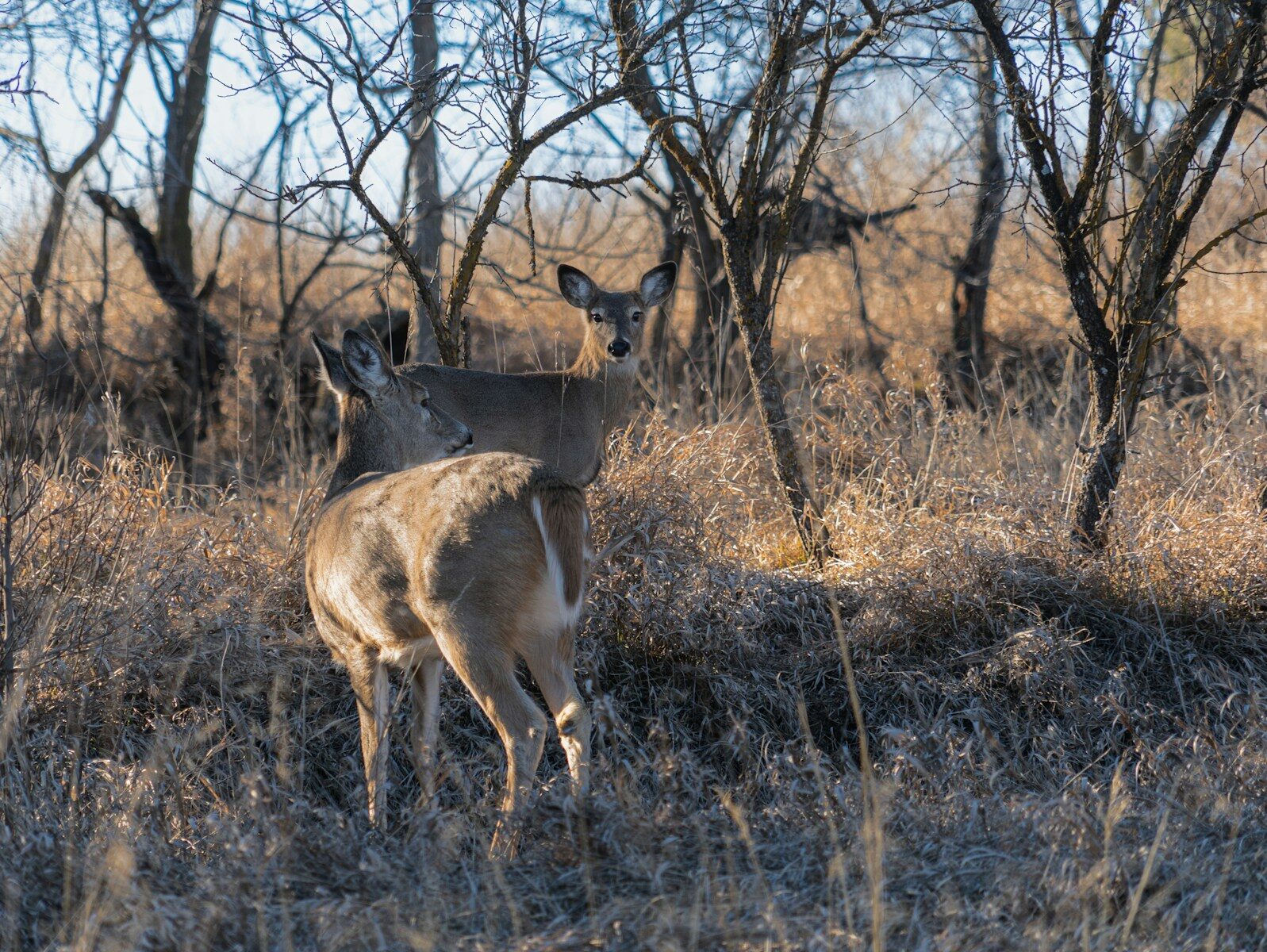
The primary target in deer hunting is the vital zone — the heart and lungs, located in the lower chest cavity behind the front shoulder. A shot through both lungs or through the heart produces rapid death with minimal suffering and maximum blood trail for tracking. From a broadside deer, the aiming point is the lower third of the body in the center of the chest cavity, approximately four to six inches behind the front leg crease. This presentation is the most forgiving and the most reliable for complete vital zone penetration. Teaching yourself to identify this aiming point under field conditions — at an odd angle, in low light, with the animal partially obscured — is the skill that determines shot selection in real hunting situations.
When Not to Shoot
Shot selection — the decision of when not to shoot — is as important as the technical skill of making the shot. Don’t shoot at a deer that is running unless you have extensive experience with running shots. Don’t shoot when the animal’s vital zone is obstructed by brush or a tree limb. Don’t shoot at marginal angles — the rear-end shot and the steeply quartering-away shot that expose only part of the vital zone — if a better presentation angle is likely to be available. The shot that doesn’t happen is always better than the shot that wounds an animal and produces a recovery problem.