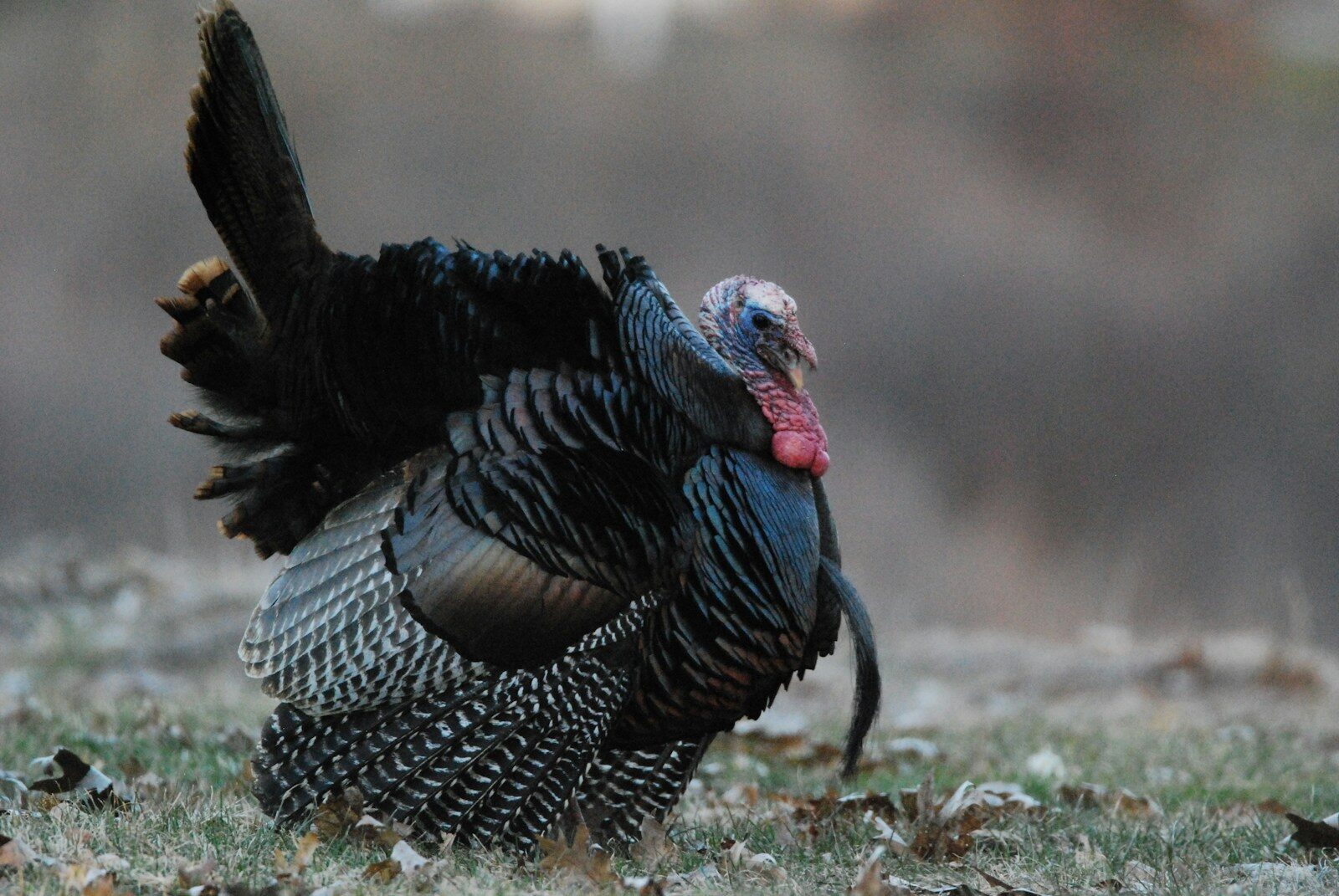
Turkey Hunting for Beginners: How to Call In and Harvest Your First Tom
Wild turkey hunting is the spring hunting tradition that produces more obsessed hunters per successful first experience than almost any other pursuit. The combination of pre-dawn woods arrival, calling to a turkey that is responding on the roost before flydown, watching a gobbler work through the timber to your position, and the adrenaline of the final close approach produces an experience that is difficult to describe adequately to someone who hasn’t had it. Spring turkey seasons are available in every state in the continental US, the quarry is relatively abundant in many areas, and the equipment requirements are modest.
License and Season
Turkey hunting requires a state hunting license plus a turkey tag in most states — the tag is attached to the harvested bird and is required for legal possession. Spring seasons typically run from April through May in most states, targeting the breeding season when toms are responsive to hen calling. Many states also offer fall seasons. License and tag costs vary by state but typically total $25 to $75 for resident hunters.
Calling: The Core Skill
Turkey calling — replicating the sounds of a hen turkey to attract a tom — is the central skill of spring turkey hunting. The yelp is the most important basic call — a series of notes that communicates a hen’s location and interest. The cluck is a single note used for close-range communication and reassurance. The purr is a feeding and contentment sound used when a bird is nearby. Begin with a box call or slate call, which are more forgiving for beginners than diaphragm calls — the friction calls produce consistent sound quality with modest practice. Use the Quaker Boy Turkey Encyclopedia or similar audio resources to learn the exact sounds you’re trying to replicate before applying them in the field.